-
Courses

Courses
Choosing a course is one of the most important decisions you'll ever make! View our courses and see what our students and lecturers have to say about the courses you are interested in at the links below.
-
University Life

University Life
Each year more than 4,000 choose University of Galway as their University of choice. Find out what life at University of Galway is all about here.
-
About University of Galway

About University of Galway
Since 1845, University of Galway has been sharing the highest quality teaching and research with Ireland and the world. Find out what makes our University so special – from our distinguished history to the latest news and campus developments.
-
Colleges & Schools
Colleges & Schools
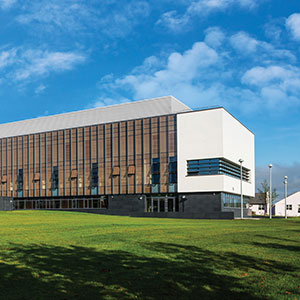
University of Galway has earned international recognition as a research-led university with a commitment to top quality teaching across a range of key areas of expertise.
-
Research & Innovation

Research & Innovation
University of Galway’s vibrant research community take on some of the most pressing challenges of our times.
-
Business & Industry
Guiding Breakthrough Research at University of Galway
We explore and facilitate commercial opportunities for the research community at University of Galway, as well as facilitating industry partnership.
-
Alumni & Friends
Alumni & Friends
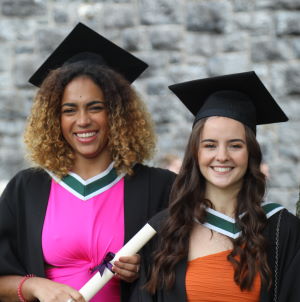
There are 128,000 University of Galway alumni worldwide. Stay connected to your alumni community! Join our social networks and update your details online.
-
Community Engagement
Community Engagement
At University of Galway, we believe that the best learning takes place when you apply what you learn in a real world context. That's why many of our courses include work placements or community projects.
 Accessibility & Language
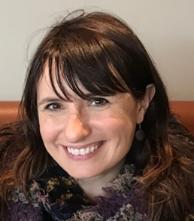
Emer Bourke
Emer Bourke
Emer Bourke
Lecturer in Pathology, School of Medicine
Lambe Institute for Translational Research
email:emer.bourke@universityofgalway.ie
phone: +353 (0) 91 494416
Research interests
- Centrosome amplification in cancer
- Molecular differences in centrosome function between breast cancer subtypes
- Targeting centrosomes as therapy
Research Questions:
- Can excessive centrosome numbers drive tumour invasiveness and metastasis?
- Can the mechanisms of centrosome amplification and multipolar spindle formation be harnessed to kill tumour cells?
Are the DNA damage response and centrosome function differently regulated across the subtypes of breast cancer?
Research Overview:
The centrosome, though small in size, plays a central role in organizing cell structure and orchestrating mitotic spindle formation during cell division. Defects in centrosome function contribute to genomic instability, with centrosome amplification (CA)—defined as the presence of more than two centrosomes per cell—being a hallmark of the majority of human tumors.
Breast cancer is a heterogeneous disease, comprising distinct molecular subtypes that require tailored therapeutic strategies. Understanding the mechanisms that drive malignancy in each subtype is essential for identifying novel prognostic markers and therapeutic targets.
Our research investigates how CA in genetically unstable breast tumor cells disrupts membrane architecture and alters cell signalling pathways, thereby promoting invasiveness and metastatic potential.
This work is conducted within the Department of Pathology at University Hospital Galway, utilizing both fresh/frozen patient samples and tissue microarrays (TMAs) sourced from the UHG Breast Cancer Biobank (1999–present).
Recent Publications:
- Prakash A, Paunikar S, Webber M, McDermott E, Vellanki SH, Thompson K, Dockery P, Jahns H, Brown JAL, Hopkins AM, Bourke E. Centrosome amplification promotes cell invasion via cell-cell contact disruption and Rap-1 activation. J Cell Sci. 2023 Nov 1;136(21). doi: 10.1242/jcs.261150. PMID: 37772773.
- Prakash A, Garcia-Moreno JF, Brown JAL, Bourke E. “Clinically Applicable Inhibitors Impacting Genome Stability.” Molecules. 2018 May 13;23(5). doi: 10.3390/molecules23051166. PMID: 29757235.
- Jalali A, Miresse D, Fahey MR, Ni Mhaonaigh N, McGuire A, Bourke E, Kerin MJ, Brown JAL. Peripheral Blood Cell Ratios as Prognostic Indicators in a Neoadjuvant Chemotherapy-Treated Breast Cancer Cohort. Curr Oncol. 2022 Oct 7;29(10):7512-7523. doi: 10.3390/curroncol 29100591. PMID: 36290868.